When considering Index Strategies for retirement planning, what common pitfalls should individuals be careful to avoid?
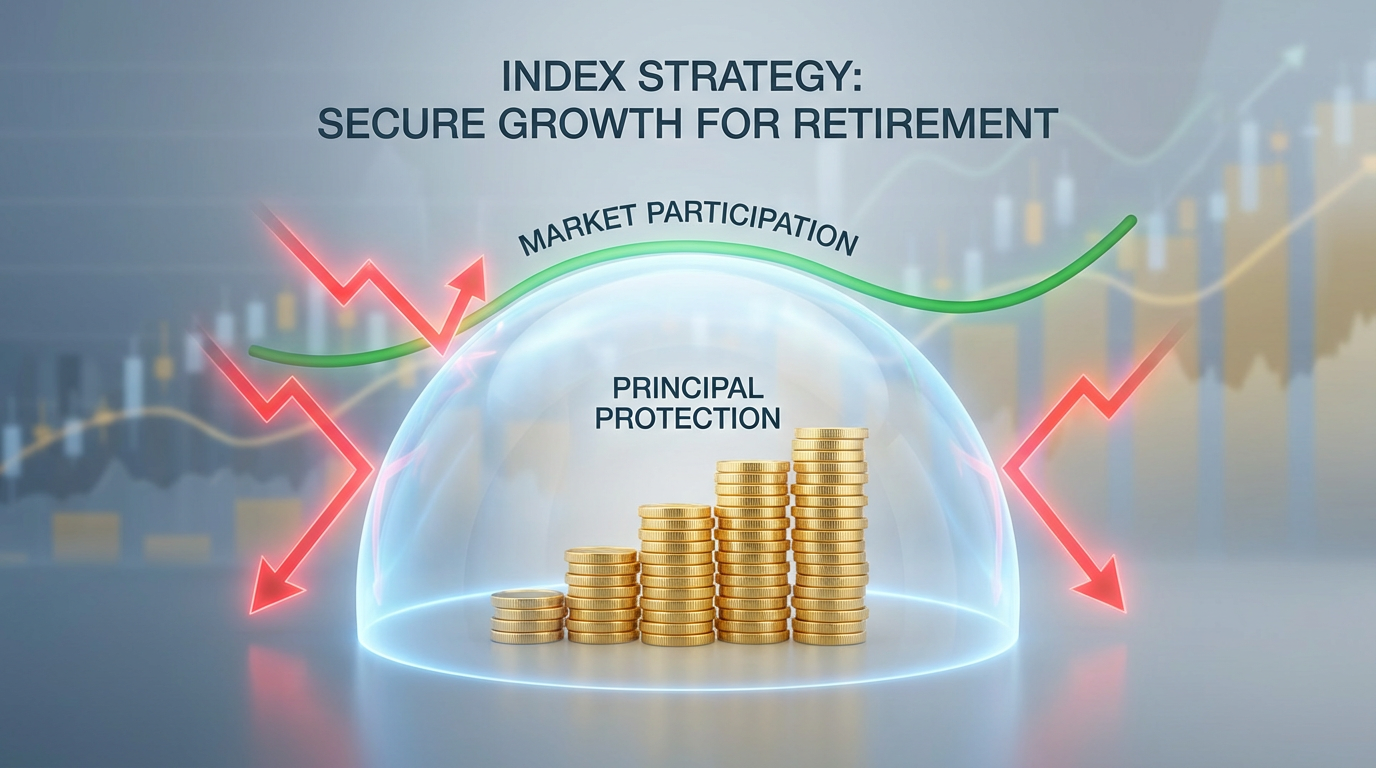
When considering Index Strategies, individuals should avoid falling for overly simplified promises, such as guaranteed high returns without understanding the underlying mechanisms of caps and participation rates. A common pitfall is misunderstanding the difference between actual market participation and the indexed crediting method, leading to unrealistic expectations about growth potential. Additionally, individuals sometimes overlook the surrender charges associated with these products, which can restrict access to funds for a defined period, or they fail to assess the suitability of an Index Strategy for their specific financial goals and risk tolerance compared to alternative investment vehicles. ### Misunderstanding Caps and Participation Rates One significant pitfall is failing to fully grasp how caps and participation rates limit potential gains in Index Strategies. While these strategies offer downside protection, they also cap the upside potential. A cap is the maximum interest rate that can be credited to an account in a given period, regardless of how high the market index performs. Participation rates, conversely, determine what percentage of the index's growth is credited to the account. Clients must understand that if the market index gains 15% but the cap is 8%, their account will only be credited 8%. Similarly, a 5% participation rate means only 5% of the index's gains are credited. Misinterpreting these figures can lead to disappointment regarding actual returns. ### Overlooking Surrender Charges and Liquidity Concerns Another common mistake is not fully appreciating the impact of surrender charges and potential liquidity restrictions. Index Strategies, particularly those incorporated into annuities or life insurance policies, typically come with surrender charge periods that can last several years. During this period, if funds are withdrawn beyond a penalty-free allowance, a significant fee can be incurred, reducing the principal balance. This can be problematic if an unexpected need for immediate access to a large portion of the funds arises. Individuals should carefully review the surrender schedule and assess their need for capital accessibility before committing to such a strategy. ### Focusing Solely on Downside Protection While Neglecting Cost and Opportunity Cost While the downside protection offered by Index Strategies is a compelling feature, a pitfall is focusing exclusively on this benefit without adequately considering the costs involved and the potential opportunity cost. Index Strategies may have fees, administrative charges, or expense ratios that can, over time, impact the net return. Furthermore, by choosing an Index Strategy, individuals might forgo higher potential returns available through direct market participation or other investment vehicles, especially during prolonged bull markets. A balanced assessment of both protection and growth potential, alongside a comparative analysis with other retirement solutions, is crucial to ensure the strategy aligns with long-term financial objectives.
Ready to Build Your Financial Future?
Contact Everence Wealth for expert independent financial guidance.
Get in Touch